
Being a landlord comes with its fair share of expenses, from mortgages and utilities to maintenance and repairs. And it’s up to landlords to effectively manage these rental property expenses over time to get a return back from their real estate investment.
With that said, it’s important to know what costs to expect from your rental property investment so that you can make a plan for how much monthly rent you’ll need to collect to make a profit.
Here are some of the most typical landlord expenses to expect, with helpful tips on how to minimize overall costs and boost your ROI.
Tenant Turnover and Vacancies
The single-family home rental market has experienced significant growth in recent years, reaching a 10.2% year-over-year increase in September 2021, per CoreLogic’s Single-Family Rent Index Report. But even in a thriving market, landlords need to be prepared for the likelihood of tenant turnover and vacancies.
According to Real Property Management Express, the national average cost of tenant turnover is equivalent to three monthly rent payments (excluding the cost of the missed rent payments in that window of vacancy).
In these situations, finding a replacement tenant will be a priority to maintain your cash flow. This means you’ll need to allocate money toward preparing your rental property for new renters, such as repainting the space, handling repairs, and performing a deep cleaning. Additionally, you’ll need to budget for the marketing that will be involved in finding a new tenant — a factor we’ll dive into further in the section below.
Marketing Expenses to Fill Vacancies
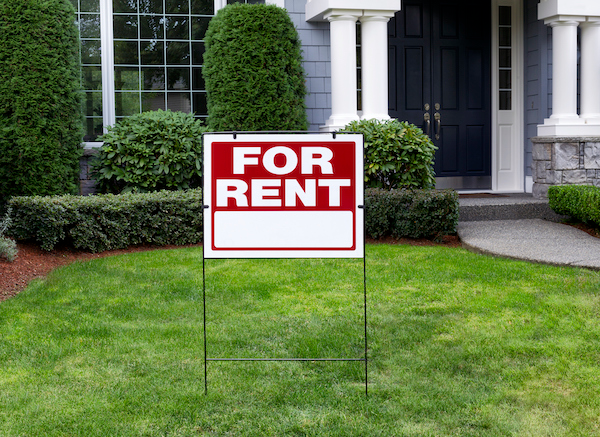
Marketing is a necessary landlord expense as it helps to attract potential tenants to your property. The key is getting the word out about your rental property vacancy to gain interest. This can be accomplished using a number of marketing tools, like social media, real estate platforms, and print ads — accompanied by investments in supportive assets such as professional photos.
As a point of reference, renters spend an average of about two and half months looking for a new home. Four in five of those renters use online resources in their home search.
Typically, landlords will budget 5%-15% of the rent payment to cover rental property vacancy costs. It’s important to remember that this percentage includes advertising costs, as well as prepping the unit and expenses associated with tenant screenings. While tenant screening costs can vary based on state laws, it’s estimated the average report fees can run anywhere between $25 to $75 per applicant.

When the inability to pay rent leads to tenant turnover, there can be long stretches of time where landlords are without a consistent cash flow. This is why it’s beneficial to secure your rental income with a rent default insurance policy through companies like Steady — a program offered exclusively through our partner property managers. These policies reimburse you for the lost rent resulting from a tenant’s nonpayment and ensure that your real estate investments are protected while you focus on finding a new, quality tenant.
Insurance Policies
Rent default insurance is just one of many insurance policies that landlords should strongly consider adding to their arsenal. And while it isn’t mandatory, financial security is important for most savvy landlords, and the COVID-19 pandemic has further shaped this perspective.
In a 2020 survey of 600 property owners, the Housing Initiative at Penn (HIP) reported an increase in financial concerns among landlords since the onset of COVID-19. More specifically, over 50% reported the nonpayment of rent as an issue — that’s up from a little over 25% prior to COVID.

Alongside rent default insurance, other common insurance policies that landlords may need to consider budgeting for include:
-
Homeowners Insurance — This insurance typically covers any losses and damage due to theft or disaster. It can also provide liability insurance in the event that someone is injured on the property. However, it can only be used if you live in the home. This policy works if the landlord is living in one unit of a multi-family apartment and renting out the others.
-
Landlord Insurance — This is similar to homeowners insurance as it protects physical property and provides liability protection, but it’s built specifically for landlords who are renting out their property.
-
Liability Insurance — These policies offer protection from claims filed against the owner of the property in the event of injury or damage.
Regardless of how many rental properties you have, it’s important to ensure you’re protected, whether it’s from a large hailstorm, someone being injured on your property, or a tenant who is unable to pay their monthly rent. Keep in mind that no matter the situation, you’ll be responsible for regular expenses, such as mortgage and utilities.
Utilities
Utilities are a common landlord expense that can be handled in a few different ways. Most landlords choose between three main options:
-
Charging higher rent and paying utilities yourself: This is usually a flat fee that is in addition to the monthly rent payment. Though it gives landlords more control and provides tax-deductible benefits, you’ll need to determine how much the payment should be, keeping fluctuations in utility costs in mind. The downside is that including these added costs in rent will make your property appear more expensive upfront, which can lead to potential tenants eliminating your rental property as an option.
-
Charging a monthly fee: This option still gives landlords control over utilities; however, it’s a separate fee that can fluctuate depending on the rental lease agreement. This would be a good option for those wanting to advertise their rental property at a lower price.
-
The tenant is responsible for utilities such as gas, electric, trash, etc.: Prior to moving in, the tenant would be responsible for setting up all utilities under their name and paying them each month. In this case, utilities wouldn’t be an additional expense for landlords.
Keep in mind that when your tenant moves out or you have an extended vacancy, these bills are still due, which is why it’s important to have a reserve fund to cover these costs.
The price tag for utility costs can vary based on a rental property’s size and location. As ENERGY STAR® reports, the typical U.S. family spends around $2,060 on home utility bills each year, or a little over $170 each month.

Maintenance and Repairs
Unlike utility payments, planning for maintenance and repairs is difficult because the costs can vary depending on the issue. While some maintenance (like changing smoke alarm batteries) can be predictable, others like a broken garbage disposal (which can cost anywhere between $150 to $950 to replace) are harder to plan for. That’s why it’s valuable to consider creating a reserve fund to cover these expenses as they arise.
Typically, most landlords put 5%-20% of their rental income toward maintenance and repair costs. Alongside routine maintenance and minor repairs, you can lean on this fund as a built-in buffer to handle those larger emergency repairs that are an unpleasant product of owning a rental property.
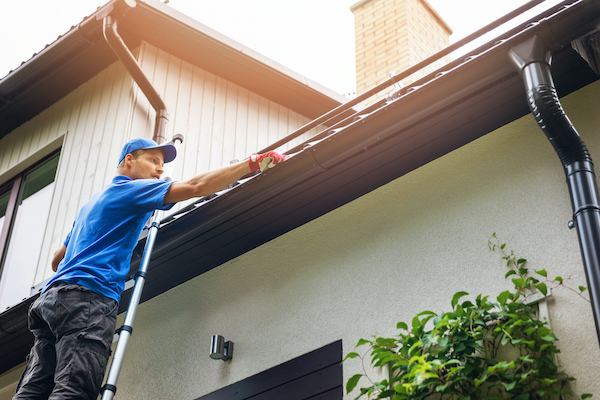
A great way to help curve higher expenses is to perform proactive maintenance. Proactive maintenance simply refers to fixing or maintaining underlying issues before they cause a major, costly problem. For example, if you begin to see a growing number of carpenter ants in or around your rental property, you should hire an exterminator to service your property on an ongoing basis to avoid having a major bug infestation and an upset tenant down the road. While we’ve already highlighted the cost of tenant vacancies, an untreated bug infestation can cause structural damage to a home’s foundation or framework that can ultimately lead to cracks and costly repairs.
To help you stay on track, consider setting up a routine maintenance schedule in which you perform all of the preventive measures on your rental property, including cleaning and exterior maintenance, on a quarterly or bi-annual basis.
Wondering just how much a preventive maintenance plan can save you on repair costs? Financial thought leader and author J.D. Roth notes that for every dollar you spend on a home’s preventive maintenance, you’ll save $100 in repairs down the road.
Taxes
As a landlord, you’re responsible for paying taxes on any income received from your rental property; however, there are many expenses that are tax-deductible, including maintenance and repairs.

A tax deduction is any expense that a landlord incurs during the year that can be applied against or subtracted from their gross income in order to figure out how much tax is owed. In short, the more expenses you have that are tax-deductible, the lower your rental income tax payment will be. Tax-deductible examples include:
-
Mortgage Interest — Any interest that you pay on your mortgage loan may be deductible.
-
Depreciation — If your rental property loses value or depreciates during the tax year, you may be able to deduct that depreciation from your rental income.
-
Maintenance and Repairs — Normal maintenance and repairs (excluding any improvements) can be deducted.
-
Operating Costs — Necessary travel, office space, equipment, and any other expenses required to run your business may be deductible.
-
Insurance Premiums — Any insurance premiums that you may have for your rental property, including rent default insurance, may be tax-deductible as they are considered a landlord expense.
For landlords, rental property tax deductions can make a big difference in moving the needle toward a profit versus a business loss. For example, if you’re in the 25% marginal tax bracket, each applied tax deduction can save you 25 cents per every dollar.
Lower Your Landlord Expenses with Steady
Although income tax deductions can help relieve the impact of some landlord expenses, they don’t offer support when a tenant defaults on their rent payments. This is why a rent default insurance policy through Steady’s partner property managers is important, as it can protect your rental income when a tenant fails to pay.
Steady allows single-family rental owners to cover anywhere from six weeks to six months of lost rent in any given year, so you can get the coverage you want on all the properties you need. You’ll never have to worry about deductibles with Steady, leaving you with the confidence that you’ve got the best protection for your rental business.
Let us connect you with a Steady partner property manager so you can experience the benefits of our solutions first-hand. Contact us today to get the conversation started.