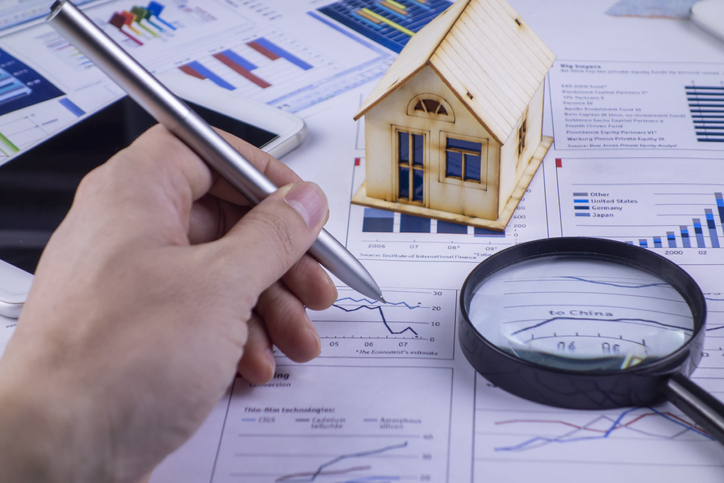
Knowledge is power, as they say, and that is especially true in the real estate world. Having insight into industry trends can benefit rental property owners and property managers alike in many different ways.
For one, real estate market reports can help owners leverage their investment by having the right information to competitively set rental prices based on fair market value for that area. They can also help with assessments of what areas could potentially be profitable for additional investments.
Perhaps more importantly, real estate market reports can help protect investors’ properties from risk by giving rental property owners key information and data to make proactive moves.
We’ll dig into the different types of analytics that are covered in market reports and how they can be used to help property owners make smarter, data-driven decisions.
Competitively Price Rental Properties
Setting the right price for a rental property is a bit of an art and science.
Owners want to know that they’re charging a competitive rate that allows them to cover their costs while not risking too high a monthly price that might make the unit difficult to fill in the long run.
Real estate reports can provide invaluable information like rent comparison analysis and rent estimates based on a specific neighborhood or geographic region.

Oftentimes, these reports include details about other rental properties in the area such as square footage, number of bedrooms and bathrooms, buildings’ age and condition, amenities and how long they have been vacant.
This helps property owners feel confident about their rental unit’s fair market value. Or, if they’re working with a property manager, the information can help address any concerns about the rent rate that has been recommended with hard facts and figures.
Assess Areas For Additional Investments
Real estate reports aren’t just useful for decisions about properties already purchased.
That same information can also help property owners assess what areas would provide the biggest return on investment for additional acquisition by weighing variables like the cost to rent and occupancy/vacancy rates.
Indications that an area is desirable for renters – potentially making it a good investment – include:
School ratings in the area:
Good schools nearby are one of the most important factors to consider with a rental property because of how it boosts the overall property values and desirability of the neighborhood.
Access to public transportation:
Look for neighborhoods that are well served by bus routes, subways or other forms of public transportation to widen the net of potential renters who would be interested.
Walkability scores:
A walkable (and bikeable) environment adds value to an area. High walkability scores have been linked to happier, wealthier and more connected communities.
Amenities and attractions:
Libraries, public parks and other community amenities make a neighborhood more attractive.
Shopping areas and commercial centers:
Proximity to groceries stores and other shopping areas is always a plus for potential residents of a community.
From the financial side, a property owner may want to look at factors like:
Home values:
The list price of homes in the area is always a key consideration when looking at properties.
Average rents:
Consider the rents being charged in the neighborhood to gauge where your price point may fall.
Median income:
Incomes in the area can also indicate the range of rent that can be supported by residents.
Employment rate:
High employment rates - above 70% - is a good sign for investing in an area.
Percentage of owner-occupied homes versus renter-occupied:
Knowing the number of people who prefer to rent versus own in a neighborhood is valuable information when looking at rental investment properties.
The more data you have, the better your decision-making can be.
Lower Real Estate Risks
The real estate market can change in a flash – rising interest rates can drive down home prices, low inventory can raise them right back up, and the availability of rental property can fluctuate month to month.

Property owners need to be kept up-to-date with developments in the market because these directly impact their investment. Owning rental property can be a risky business. Many landlords lack the capital to cover costs if a tenant defaults on rent payments, or if a property is left vacant for an extended time.
However, keeping on top of the local housing market can provide important information to make prudent, proactive moves to mitigate these risks. For one, as mentioned above, it helps landlords choose a more suitable area for their rental property investment.
Beyond that, though, the right data can indicate what may be coming down the line in terms of economic trends. If the market is stagnating and properties are remaining vacant for long periods of time, for instance, a landlord may decide to offer move-in rewards or other incentives to keep a unit filled.
Or they may choose to insure their rental cash flow with a solution like Rent Advance™, which provides protection by guaranteeing rental income upfront for up to 12 months.
Having the right information is the first step toward making the right decision.
Get Real Estate Market Reports with Steady
If you’re looking to provide additional value to the landlords in your property management portfolio, offering real estate market reports is a great way to help them make smarter, data-driven decisions that can safeguard their investments.
With Steady’s Rental Analysis Report, which is included as part of our Owner Benefit Package, sharing relevant insights and information about the market with your clients is easy. When you partner with Steady, you have access to a host of innovative property management solutions — including real estate market reports — to maximize your relationship with property owners.
Contact us today to learn more about accessing real estate market reports.